3DPS logo
3DPS Europe
Service and development
News

News / article

Technology
← Back to news Back to homepage
Custom firmware for the Anycubic Kobra 3 toolhead: keeping the original RS-232 link
2026. 09. 19.
907

Custom firmware for the Anycubic Kobra 3 toolhead: keeping the original RS-232 link

2 min read

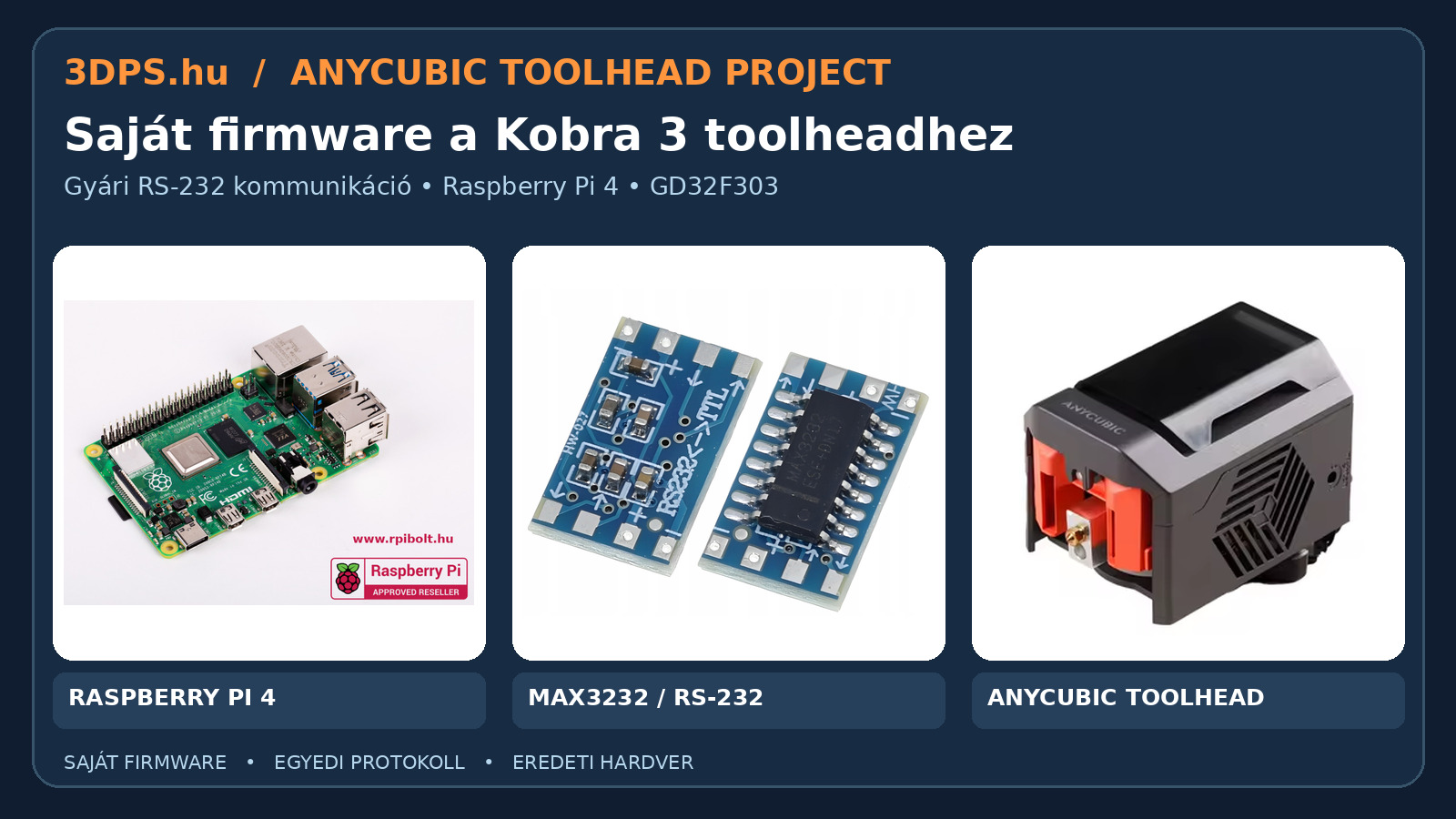
We are developing custom firmware and a communication protocol for the original GD32F303 toolhead. Our first milestone is a safe, bidirectional UART link with a Raspberry Pi 4.

Our Anycubic Kobra 3 toolhead reverse-engineering project is entering a new phase: we are designing custom firmware and a custom communication protocol for the original GD32F303CBT6 microcontroller. The goal is to retain the original connectors and RS-232 hardware while controlling the toolhead with our own software.

Why keep the original communication path?

The original toolhead communication path includes an RS-232 transceiver. Earlier investigation suggests that the MCU UART on PA9 and PA10 may provide the link. This would avoid soldering a separate USB data cable to the MCU in the final design. The original Type-C connector must not be treated as a standard USB data port in this configuration.

First step: standalone UART diagnostics

The planned first firmware version would use the GD32F303 USART0 peripheral (PA9 TX, PA10 RX) at 115200 baud, 8N1, and accept simple PING, INFO and STATUS diagnostic commands. These are intended only for the initial link test; the final protocol is planned to use versioned binary frames with integrity checks.

Raspberry Pi 4 as the development host

The Raspberry Pi 4 GPIO UART would provide the host-side interface. A separate 3.3 V-compatible MAX3232/SP3232 transceiver is needed to connect to the original RS-232 line. As that component is not yet available, we plan an initial direct 3.3 V UART test, but only after safely isolating the original RS-232 receiver output and verifying logic levels. Raspberry Pi UART pins must never be connected directly to RS-232 voltage-level signals.

Current progress

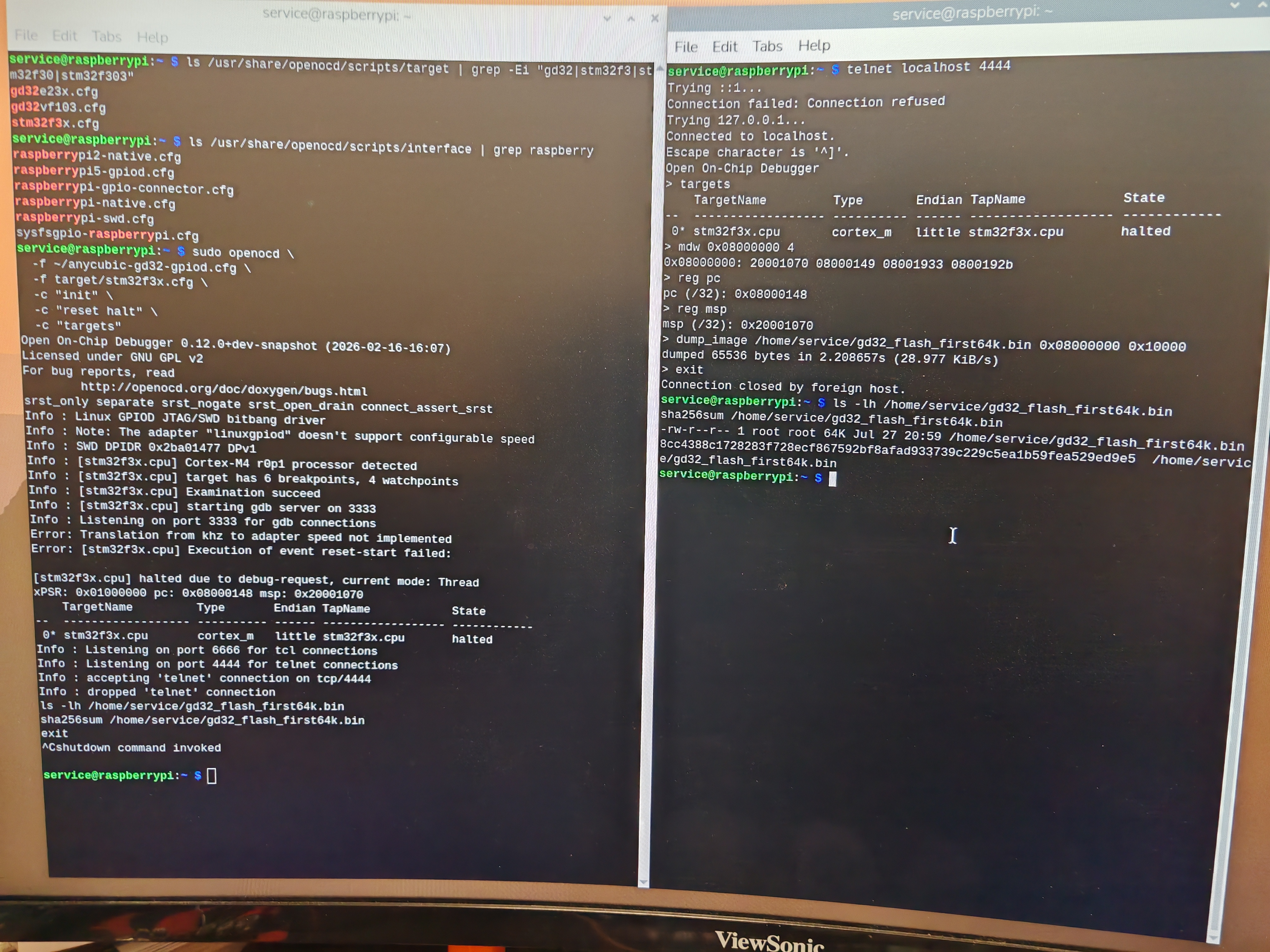
We previously established SWD access to the microcontroller, flashed experimental firmware and verified the flash contents by readback. This confirms programming access, not complete peripheral functionality. An initial diagnostic source-code draft for the custom firmware exists, but the full build, flash and bidirectional UART test are still pending.

Safety and next milestone

The heater, extruder motor and fans will remain inactive during initial communication tests. The next milestone is reliable PING/PONG communication, followed by mapping the peripheral pins and individually testing motor, heater and sensor control with appropriate safeguards. Future Klipper integration would require a separate host-side adapter and precise motion timing.
Related articles
Archive

Earlier news

79 earlier article(s)
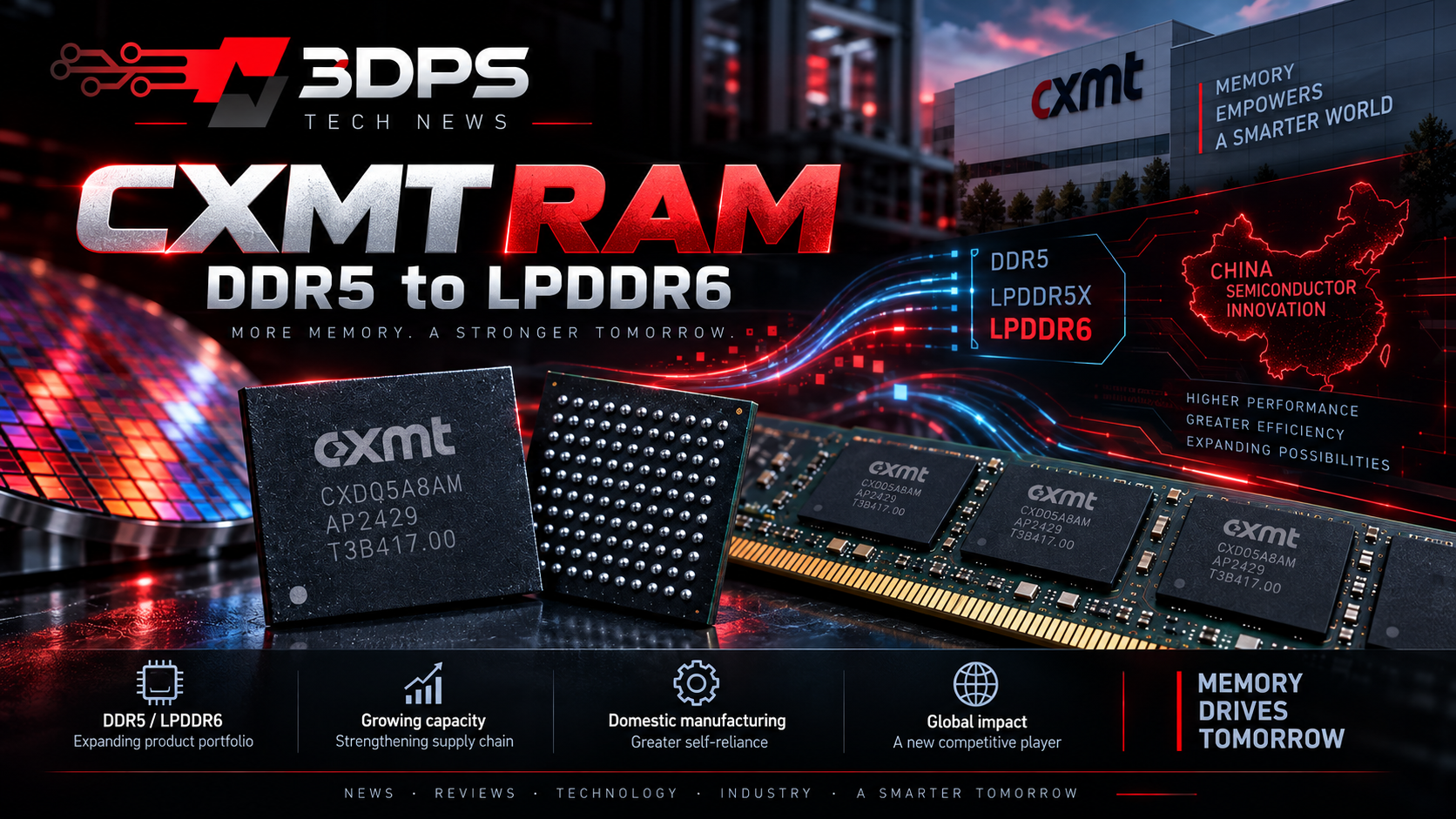
CXMT RAM: China Closes the Memory Gap from DDR5 to LPDDR6
2026. 09. 10.
Technology
798

CXMT RAM: China Closes the Memory Gap from DDR5 to LPDDR6

China’s ChangXin Memory Technologies (CXMT) is becoming a serious DRAM competitor: its DDR5 memory is appearing in desktop and server systems, while in September 2026 the company also announced mass production of LPDDR6.

KPI features have been added.
2026. 08. 24.
Technology
731

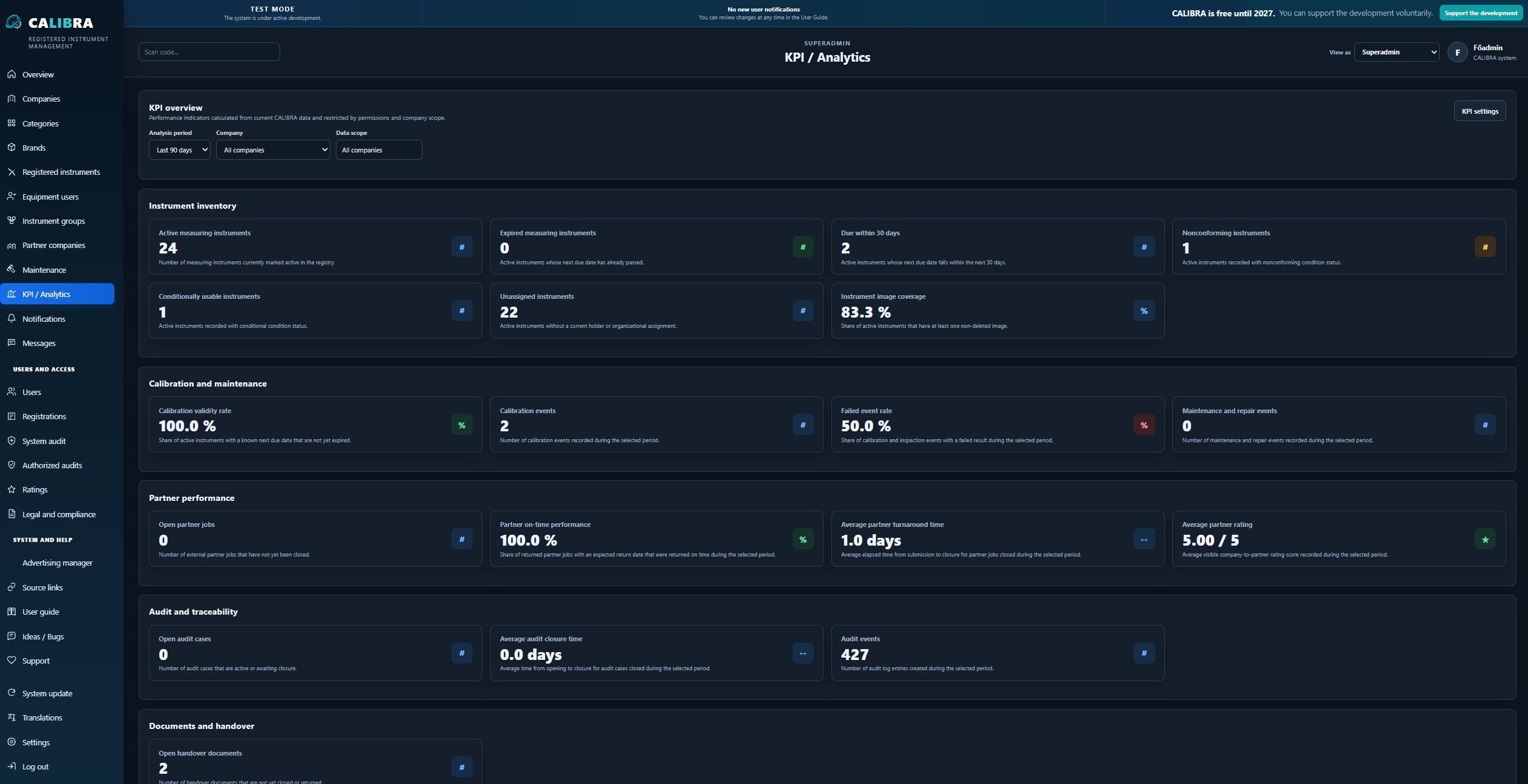
KPI features have been added.

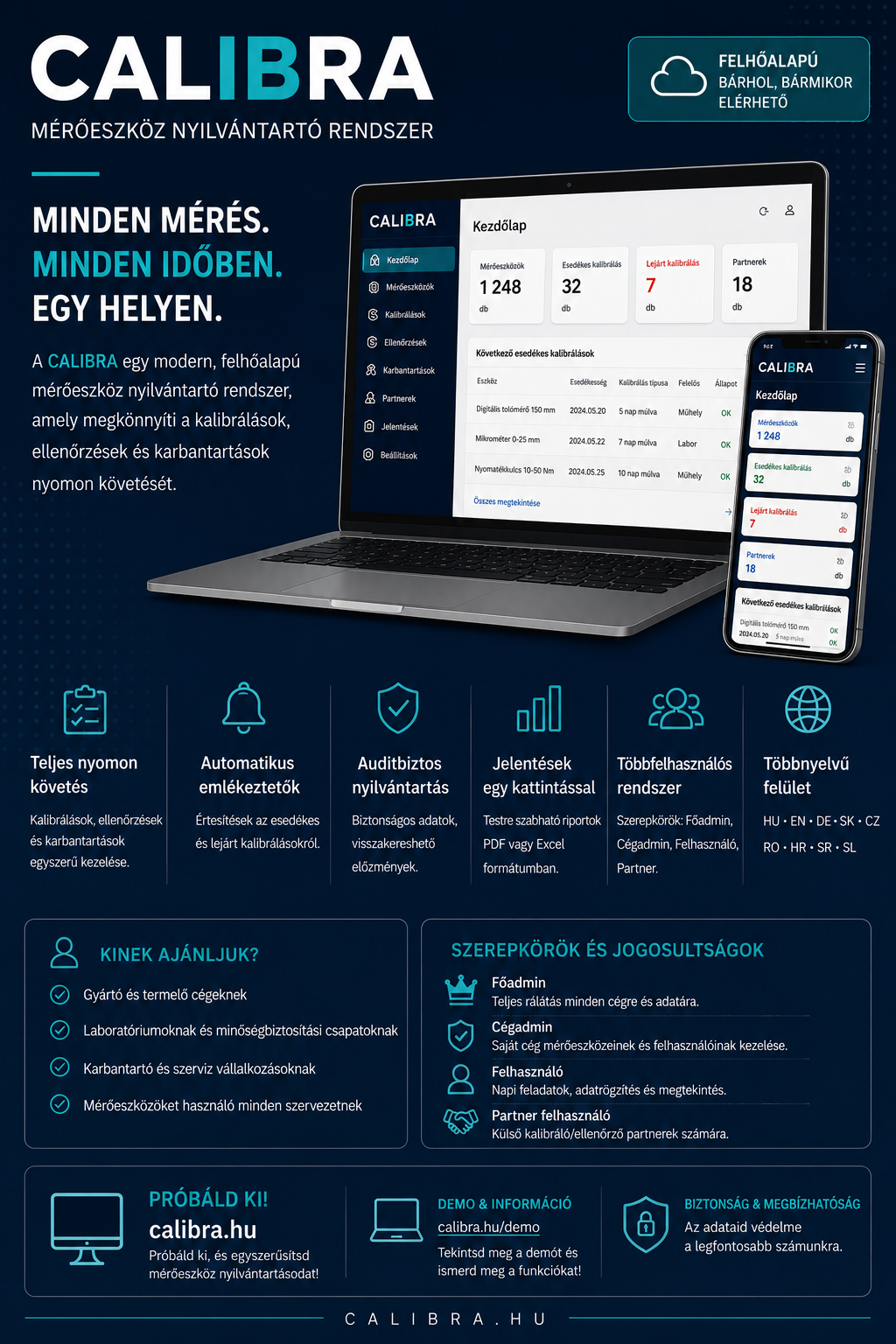
KPI features have been added. CALIBRA – Measurem Why do KPIs matter in measurement equipment management? Because data becomes truly useful only when it helps you see where attention is needed and how performance changes over time.

CALIBRA – A Free Measurement Equipment Management System Is Under Development
2026. 08. 11.
Technology
617

CALIBRA – A Free Measurement Equipment Management System Is Under Development

CALIBRA – A Free Measurement Equipment Management System Is Under Development A new in-house developed web application is joining the growing collection of 3DPS projects. CALIBRA is being developed as a modern, transparent and expandable measurement equipment and calibration management system. Development has progressed rapidly from the original concept to an already functioning web application, with the foundations of company management, equipment tracking, external partner management and auditing now in place.

Parkside Multi Charger: Controller Architecture for the Basic and Pro Versions
2026. 08. 04.
Technology
630

Parkside Multi Charger: Controller Architecture for the Basic and Pro Versions

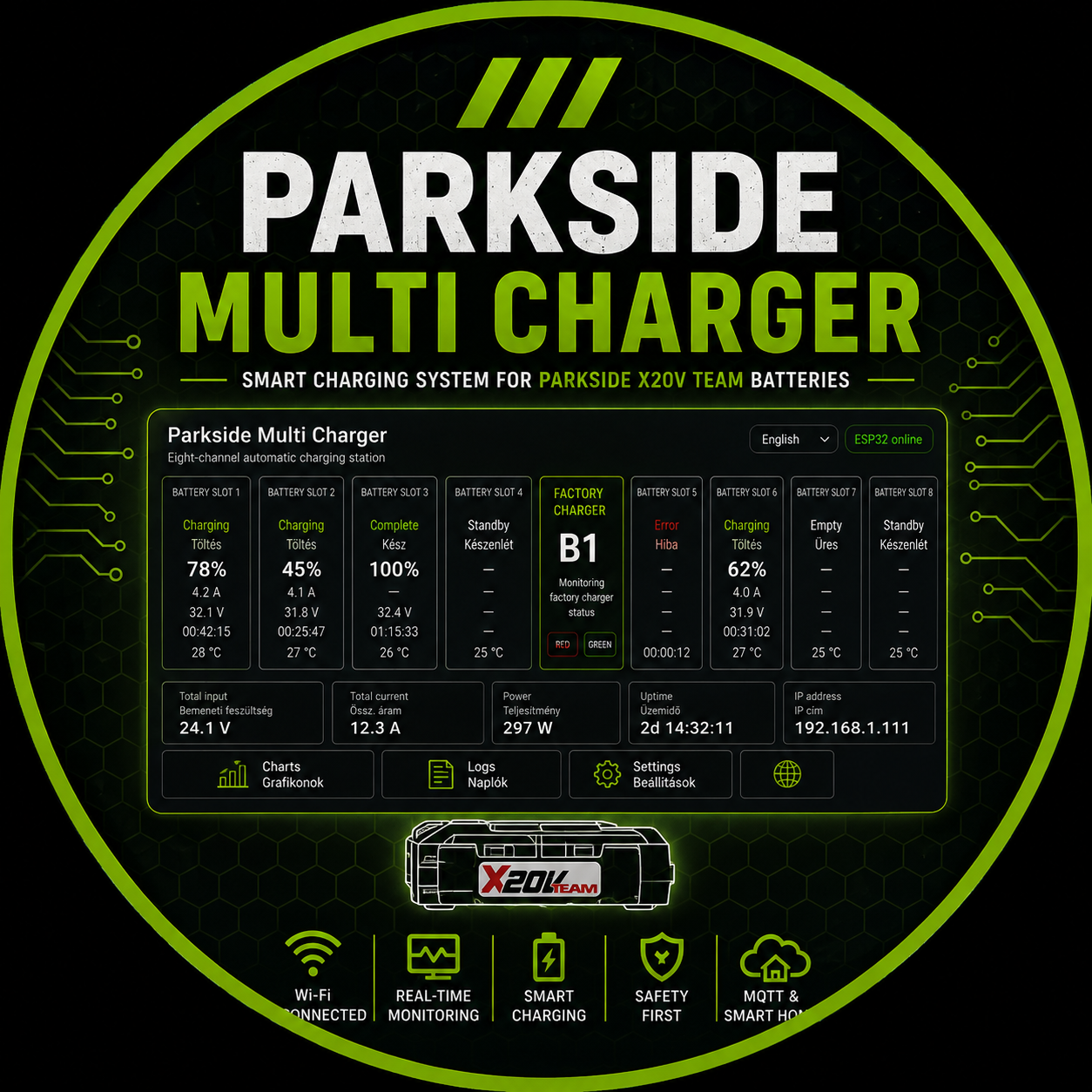
Parkside Multi Charger: Controller Architecture for the Basic and Pro Versions Development of the Parkside Multi Charger has entered a new stage. During the latest planning phase, several controller and power-switching architectures were compared to find a solution that keeps the Basic version easy to build while leaving enough room for the more advanced Pro model.

Parkside Multi Charger – New Development Milestone
2026. 08. 02.
Technology
436

Parkside Multi Charger – New Development Milestone

Parkside Multi Charger – New Development Milestone Development of the Parkside Multi Charger continues to make steady progress. Recent work has focused not only on hardware and software development but also on establishing the project's public identity and communication. The project currently consists of two separate development branches: Parkside Multi Charger (Normal) and Parkside Multi Charger Pro.

Anycubic Kobra 3 toolhead – successful firmware backup and the first steps toward a CAN-based Klipper toolboard
2026. 07. 27.
New printers
426

Anycubic Kobra 3 toolhead – successful firmware backup and the first steps toward a CAN-based Klipper toolboard

Anycubic Kobra 3 Toolhead Project – Another Milestone: Successful Firmware Backup and Preparing for a CAN-Based Toolboard Today marked another major milestone in the Anycubic Kobra 3 Toolhead project. Our objective is not to modify or preserve the original firmware. Instead, we are developing a completely custom firmware that will transform the factory controller board into a Klipper-compatible CAN Tool MCU with only minimal hardware modifications.